
The first thing to understand is that anger is not the problem. After all, anger is just an emotion. It is not an instruction. We have options. We can act better than we feel – but first we must understand how to do so.
Anger Management- Is your temper hijacking your life? If you have a hot temper, you may feel like it’s out of your hands and there’s little you can do to tame the beast. But you have more control over your anger than you think. With insight into the real reasons for your anger and these anger management tools, you can learn to express your emotions without hurting others and keep your temper from hijacking your life. This article will provide tips and techniques that you can use to get anger under control and express your feelings in healthier ways.
Understanding anger- Anger is a normal, healthy emotion, neither good nor bad. Like any emotion, it conveys a message, telling you that a situation is upsetting, unjust, or threatening. If your knee-jerk reaction to anger is to explode, however, that message never has a chance to be conveyed. So, while it’s perfectly normal to feel angry when you’ve been mistreated or wronged, anger becomes a problem when you express it in a way that harms yourself or others.
Anger is not a method of communication- You might think that venting your anger is healthy, that the people around you are too sensitive, that your anger is justified, or that you need to show your fury to get respect. But the truth is that anger is much more likely to have a negative impact on the way people see you, impair your judgment, and get in the way of success.
Effects of Anger- Chronic anger that flares up all the time or spirals out of control can have serious consequences for your: Physical health- Constantly operating at high levels of stress and anger makes you more susceptible to heart disease, diabetes, a weakened immune system, insomnia, and high blood pressure. Mental health- Chronic anger consumes huge amounts of mental energy, and clouds your thinking, making it harder to concentrate or enjoy life. It can also lead to stress, depression, and other mental health problems. Career- Constructive criticism, creative differences, and heated debate can be healthy. But lashing out only alienates your colleagues, supervisors, or clients and erodes their respect. Relationships- Anger can cause lasting scars in the people you love most and get in the way of friendships and work relationships. Explosive anger makes it hard for others to trust you, speak honestly, or feels comfortable and is especially damaging to children.
How anger management can help you-Many people think that anger management is about learning to suppress your anger. But never getting angry is not a healthy goal. Anger will come out regardless of how hard you try to tamp it down. The true goal of anger management isn’t to suppress feelings of anger, but rather to understand the message behind the emotion and express it in a healthy way without losing control. When you do, you’ll not only feel better, you’ll also be more likely to get your needs met, be better able to manage conflict in your life, and strengthen your relationships.
The benefits of learning anger management
Mastering the art of anger management takes work, but the more you practice, the easier it will get. And the payoff is huge. Learning to control your anger and express it appropriately will help you build better relationships, achieve your goals, and lead a healthier, more satisfying life.
Tip 1: Explore what’s really behind your anger- If you find your irritation and anger rapidly rising, ask yourself, “What am I really angry about?” Identifying the real source of frustration will help you communicate your anger better, take constructive action, and work towards a resolution Ask yourself the following tough questions or evaluated the statements: is your anger masking other feelings such as embarrassment, insecurity, hurt, shame, or vulnerability?; anger can also mask anxiety; anger problems can stem from what you learned as a child; anger can be a symptom of another underlying health problem; you have a hard time compromising; You view different opinions as a personal challenge, and you have trouble expressing emotions other than anger.
Tip 2: Be aware of your anger warning signs-While you might feel that you just explode into anger without warning, there are in fact physical warning signs in your body. Becoming aware of your own personal signs that your temper is starting to boil allows you to take steps to manage your anger before it gets out of control. Pay attention to the way anger feels in your body: Knots in your stomach; Clenching your hands or jaw; Feeling clammy or flushed; Breathing faster; Headaches; Pacing or needing to walk around; “Seeing red”; Having trouble concentrating; Pounding heart, and Tensing your shoulders
Tip 3: Identify your triggers: Stressful events don’t excuse anger, but understanding how these events affect you can help you take control of your environment and avoid unnecessary aggravation. Look at your regular routine and try to identify activities, times of day, people, places, or situations that trigger irritable or angry feelings. When you identify your triggers, think about ways to either avoid them or view the situations differently so they don’t make your blood boil.
Triggers to Anger- Negative thought patterns that can trigger anger. You may think that external factors, the insensitive actions of other people, for example, or frustrating situations are causing your anger. But anger problems have less to do with what happens to you than how you interpret and think about what happened.
Common negative thinking patterns that trigger and fuel anger include- When you identify the thought patterns that fuel your anger, you can learn to reframe how you think about things. Ask yourself: What’s the evidence that the thought is true? That it’s not true? Is there a more positive, realistic way of looking at a situation? What would I say to a friend who was thinking these things? overgeneralizing, obsessing over “should” and “musts”, mind reading and jumping to conclusions, collecting straws, and blaming.
Tip 4: Learn ways to cool down quickly- Once you know how to recognize the warning signs that your temper is rising and anticipate your triggers, you can act quickly to deal with your anger before it spins out of control. There are many techniques that can help you cool down and keep your anger in check: Focus on the physical sensations of anger, take some deep breaths, get moving, use your sense, stretch or massage areas of tension, slowly count to ten, and give yourself a reality check.
Tip 5: Find healthier ways to express your anger-If you’ve decided that the situation is worth getting angry about and there’s something you can do to make it better, the key is to express your feelings in a healthy way. Learning how to resolve conflict in a positive way will help you strengthen your relationships rather than damaging them. Health ways to express anger include: Always fight fair, make the relationship your priority, focus on the present, be willing to forgive, take a break if things get too heated, and know when to let something go.
Tip 6: Stay calm by taking care of yourself taking care of your overall mental and physical well-being can help ease tension and diffuse anger problems. Ways of calming yourself: manage stress, talk to someone you trust, get enough sleep, exercise regularly, and be smart about alcohol and drugs.
Tip 7: Use humor to relieve tension- When things get tense, humor and playfulness can help you lighten the mood, smooth over differences, reframe problems, and keep things in perspective. When you feel yourself getting angry in a situation, try using a little lighthearted humor. It can allow you to get your point across without getting the other person’s defenses up or hurting their feelings. When humor and play are used to reduce tension and anger, a potential conflict can even become an opportunity for greater connection and intimacy. Humor increases Dopamine the happy hormone.
Tip 8: Recognize if you need professional help-If, despite putting these previous anger management techniques into practice, your anger is still spiraling out of control, or if you’re getting into trouble with the law or hurting others, you need more help. Therapy, either group or individual, can be a great way to explore the reasons behind your anger and identify triggers. Therapy/ Counselling sessions can also provide a safe place to practice new skills for expressing anger.
Anger management protects self from hurt - is a skill that can be learned, much like effective communication or dealing with difficult people. Learning to control extreme emotions can be very important, preventing you from saying something you'll later regret or making poor decisions in the heat of the moment. Many times anger is the symptom of deeper feelings such as rejection, regret, or disappointment. Everybody gets angry from time to time, but letting your emotions control you is largely a matter of choice. Anger management techniques can be adopted by anyone in order to live a happier, better-regulated life, (Rawpixel website). Importance of seeking professional help- Don’t be ashamed of your anger. Everyone gets angry from time to time, and it’s okay to express these feelings. It becomes an issue when you find yourself getting angry a lot of the time, and you can’t seem to control your temper. It is especially important to realize when you are frequently misplacing your anger onto people who do not deserve it. With any mental health issue, it’s okay to ask for help.
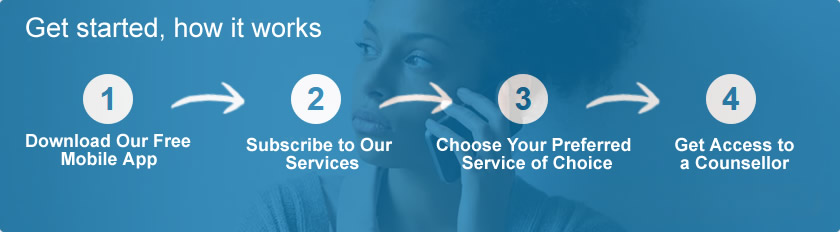
(Source Help Guide website- Authors: Melinda Smith, M.A., and Jeanne Segal, Ph.D. in 2020) Share with a Counsellor Agency provides easy access to professional counsellors trained and experts in Anger management to support you. With their support, you will learn your triggers to anger, ways of managing your anger, and skills to manage frustration and coping mechanisms. The therapist/ counsellor will also assess underlying conditions like a mental illness where you are prone to outbursts of anger, such as Bipolar Disorder or Borderline Personality Disorder. Share with a Counsellor Mobile Application allow you to access these timely services anywhere any time.