
The Gender and Sexuality Service at Share with a Counsellor helps children, teens, young adults, and families navigate through gender and sexual identity development through supportive psychotherapy.
Sexuality and Sexual& Reproductive Health (SRH)- Sexuality emerges during adolescence and, for many people, mid-late adolescence is also a time when sexual activity begins. Counsellors working with youth make an assumption that the adolescent clients sexually active or will become sexually active at some point in the future. The share with a Counselor youth counsellor always ensures that you are comfortable with the topic by not judging them irrespective of their values or orientation. The shift from adolescents acting as receipts of whatever is provided to them by others ( donors, governments, institutions etc) to the development of internal resources.
Existing Adolescent Health programme- According to Dr V. Chandra, all stakeholders traditionally focused on avoiding risks to health ( preventive programme) for example reducing the risk of HIV infection that included: Helping adolescents become aware of risks to their health (e.g. the risk of HIV infection); Teaching them how to avoid these risks (e.g. to refuse unwanted sex or to have safe safely); Giving them the means to protect themselves (e.g. condoms), and Helping them if they experience problems (e.g. an unwanted pregnancy or sexually transmitted infection). These risk reduction approaches have been proven to be effective and remain important but alone are not enough (WHO, Geneva 2015).
Existing Gaps in adolescent health programmes- Dr V. Chandra identified that actual problem in the SRH program by stating that there is growing recognition that we need to build the core assets of adolescents so that they can take greater control of their lives, families, communities and society. He, therefore recommended that there is need to create opportunities for adolescents to develop the following core assets individually: Competence-abilities to do specific things; Confidence-positive sense of self-worth; Connection- positive bonds with people & institutions; Character-sense of right & wrong, & respect for standards of right behaviour; and Caring- a sense of sympathy and empathy for others; (WHO, Geneva 2015). These core assets are virtual products of psycho-education and mental wellness interventions. In simple terms, youth needs to have affordable, accessible and convenient access to counsellor and psychologist. This global dream is made possible by initiatives like what Share with a Counsellor Agency.
Adolescents face sexual and reproductive health problems
They are unprepared and unable to protect themselves-Worldwide, boys and girls are reaching puberty earlier, and are marrying later than their parents did. Many adolescents become sexually active at an early age when they do not know how to avoid sexually transmitted infections and unwanted pregnancies. Contextual factors such as the pressure to conform to media stereotypes and the norms of their peers as well as impaired judgment resulting from the use of alcohol and other psychoactive substances make them more likely to expose themselves to risks. Almost universally, they lack access to the health products (such as condoms and other contraceptives) that they need to protect themselves, or to the health services they need to get back to good health if they fall ill (e.g. with a sexually transmitted infection). Even if they have condoms, girls and young women are often powerless to insist on their use. This is particularly so when they feel compelled by economic pressures to exchange sex for money or favours.
They are under pressure to marry and bear children early-In some parts of the world, girls are still expected to marry and begin childbearing in their early or middle teenage years, well before they are physically or mentally ready to do so. Tragically, at a time of real need, many find themselves bereft of the social support that their natal families could provide them, and unable to obtain the health services that they and their babies need to survive. This greatly heightens their vulnerability.
They are under pressure to marry and bear children early-In some parts of the world, girls are still expected to marry and begin childbearing in their early or middle teenage years, well before they are physically or mentally ready to do so. Tragically, at a time of real need, many find themselves bereft of the social support that their natal families could provide them, and unable to obtain the health services that they and their babies need to survive. This greatly heightens their vulnerability.
They are unable to refuse unwanted sex or to resist coerced sex-The sheer numbers of girls and young women around the world, who are subjected to violence, including sexual violence, is staggering. In some cases, the perpetrators are strangers. In many other cases, they are peers or influential adults within - or in close contact with - their families. This makes it harder to refuse unwanted sex or to resist coerced sex. Many girls and young women bear this burden in silence. Even if they do gather the courage to tell someone what has happened, families are often reluctant to act because of fear of bringing shame and stigma upon themselves. The fact that lawmakers tend to look away from this problem, contributes to the continued existence of this scourge.
They are compelled to undergo female genital mutilation/cutting-Despite the concerted efforts of programmes to eradicate female genital mutilation, the harmful practice continues to persist in some North African, West African and Arab nations. Families continue to seek out the ritual as a way of ensuring the acceptance of their daughters in the social life of their communities, in conformance with prevailing social and cultural norms.
Sexual and reproductive outcomes among adolescents are determined by a web of micro-and macro-level factors:-Individuals make choices to engage in specific behaviours; Family and community norms, traditions, and economic circumstances influence these choices; and Policy and regulatory frameworks facilitate or hinder choices. Dr V. Chandra while presenting at Geneva 2015 during a training course in Sexual and reproductive health research concluded by calling for actions at each of these levels by different sectors but Adolescents too have key roles to play. WHO Clerical call- A clerical was made for individuals and institutions to contribute to the health and development of adolescents. At the centre is the adolescent and family ( first circle); the 2nd circle includes people in regular contact with them such as their own friends, teachers...; the 3rd circle includes entertainment figure who has a tremendous influence on them from afar.]; and finally the 4th circle consists of politicians, journalists and bureaucrats who affect their lives in small & big ways, through their words and deeds, (WHO, Geneva 2015).
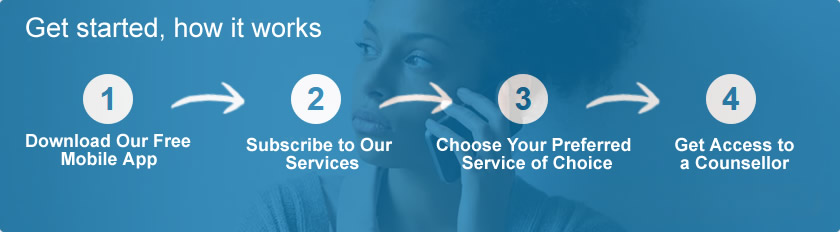
Share with a Counsellor -Agency provides the platform where all the 4 tiers can operate and have all the stakeholders support the adolescent, and involve them in decision making; The youth are operating on the virtual space and Share with a Counsellor has set platforms where they can now seek and access counselling and guidance on their reproductive health, available services, linkage and referral processes. Donors and implementer of Reproductive health programming should embrace this virtual model of providing psychosocial services to adolescents and youth.